
A Story Is Unfolding
Our
Legacy
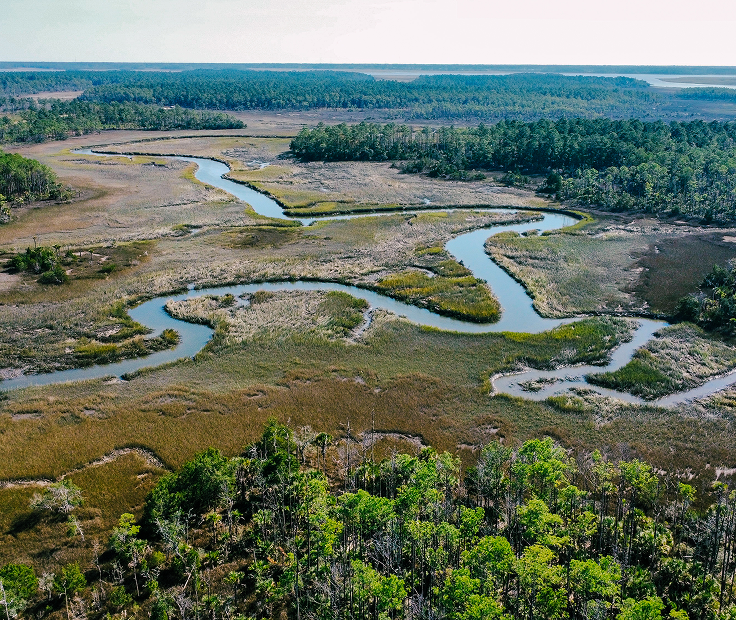
The story of Point Hope begins long before the first home was built. For centuries, the Cainhoy Peninsula has held the rhythms of nature and the people who called it home. In the twentieth century, this land became part of the Guggenheim family retreat, where Harry Frank Guggenheim—aviation pioneer, philanthropist, and visionary—brought with him a spirit of innovation and discovery. His legacy of looking to the skies echoes in the community’s design today, with imagination and progress always in view.
Now, as part of Charleston’s long-term growth plan, Point Hope is a community shaped by both heritage and possibility, where future generations will continue the story and add new chapters to a land already rich with meaning.

1500s
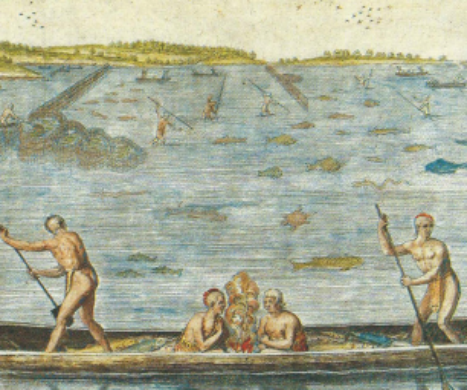
In the 1500s, Native American tribes including the Etiwan, Wando, Coosaw and Sewee Indians lived near Cainhoy. They used the rich resources of the Lowcountry to build homes, make tools, and feed their families.
1680
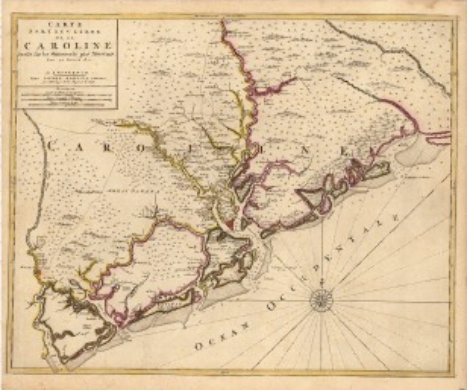
By the late-17th century, the English established the first permanent settlement on the Ashley River, and in 1680, they moved their settlement to the present-day location of Charleston. The Lords Proprietors were granted lands throughout the region, including John Padgett and James Taggert who received land that would later become part of Harry Frank Guggenheim’s “Cain Hoy Plantation” in the 20th century.
1740
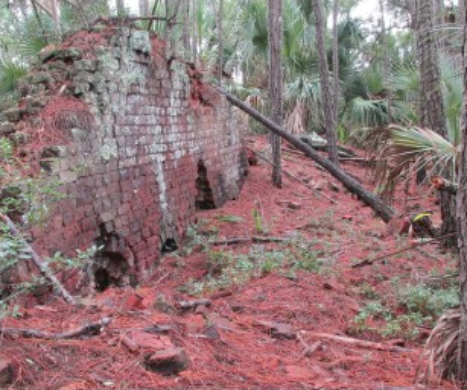
During the Colonial era, Cainhoy was well-known for its brick kilns. In 1740, a devastating fire swept across Charleston and a new law was implemented that all buildings had to be made from bricks. With ample sand, clay, and firewood available and a prime location on both the Wando and Cooper Rivers, numerous brick kilns were constructed on the property. Cainhoy’s brick kilns contributed significantly to Charleston’s reconstruction.
1865
Although no fighting happened here, the American Civil War brought an end to slavery and changed the Cainhoy peninsula forever. Freed people established their own communities and bought or rented land to farm for themselves. Wealthy northerners also began purchasing land across the South as hunting retreats.
1930s
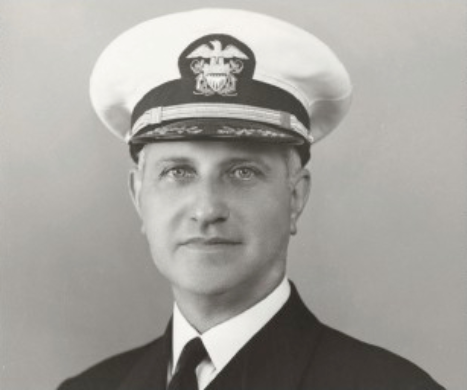
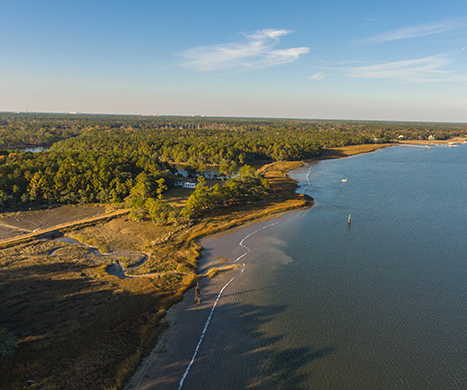
Harry Frank Guggenheim began purchasing what would eventually total 16,000 acres in the Charleston Lowcountry, including Daniel Island and Cainhoy. Born into a large family that placed a high value on character, integrity, hard work and giving back for the betterment of mankind, Guggenheim was considered one of the most influential men of his time. He used his Cainhoy property for farming, cattle ranching, and as a family hunting and fishing retreat.
1971
Upon Harry Frank Guggenheim’s death, his property passed to his family heirs, including the 11,000+ acres of land that was home to his “Cain Hoy Plantation” in Charleston.
1993
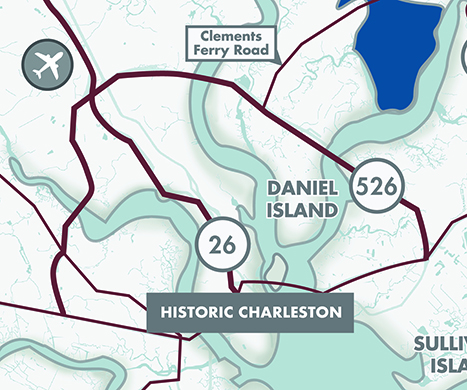
Charleston’s “beltway”, the Mark Clark Expressway (I-526), opened in 1993, making Cainhoy and Point Hope much more easily accessible to the greater Charleston region.
1995
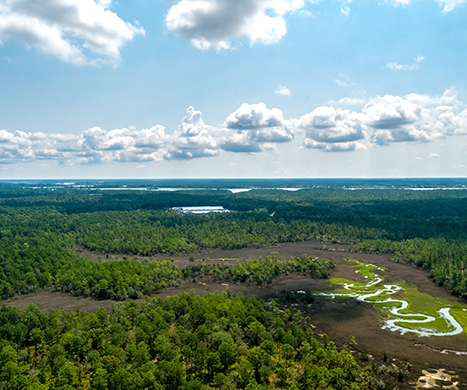
The land that is now Point Hope, along with other portions of the Cainhoy peninsula, are annexed into the City of Charleston.
2016
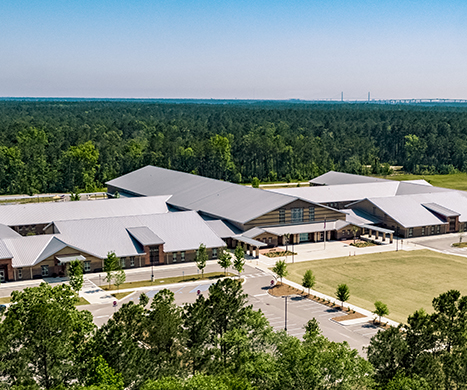
Philip Simmons Elementary and Middle schools open for classes. Philip Simmons High School followed, opening in 2017.
2021
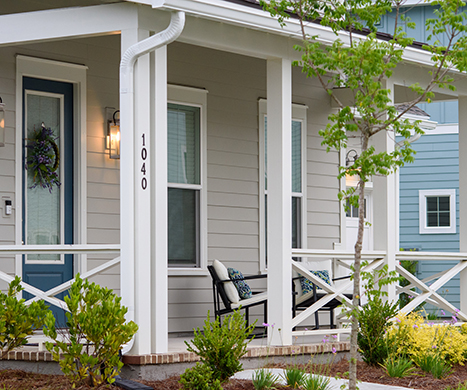
Residents begin to move into First Light, the first residential neighborhood at Point Hope.
2023
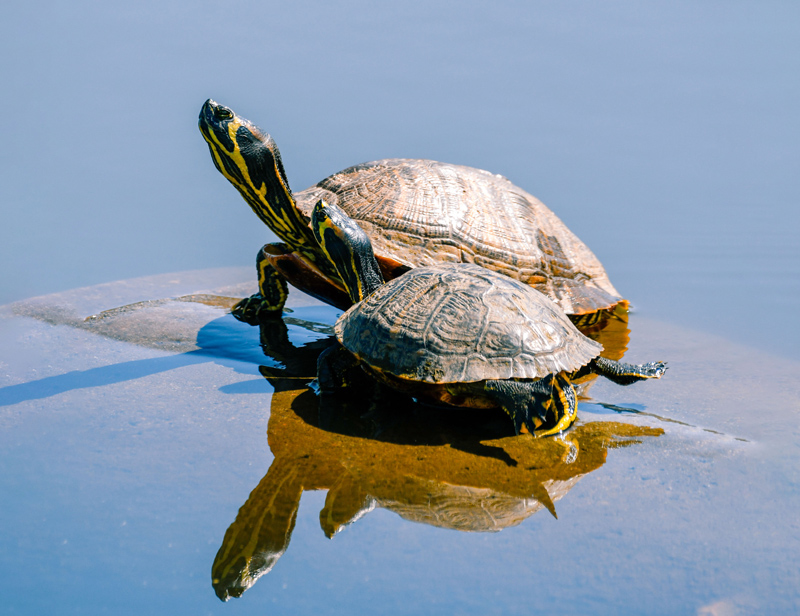
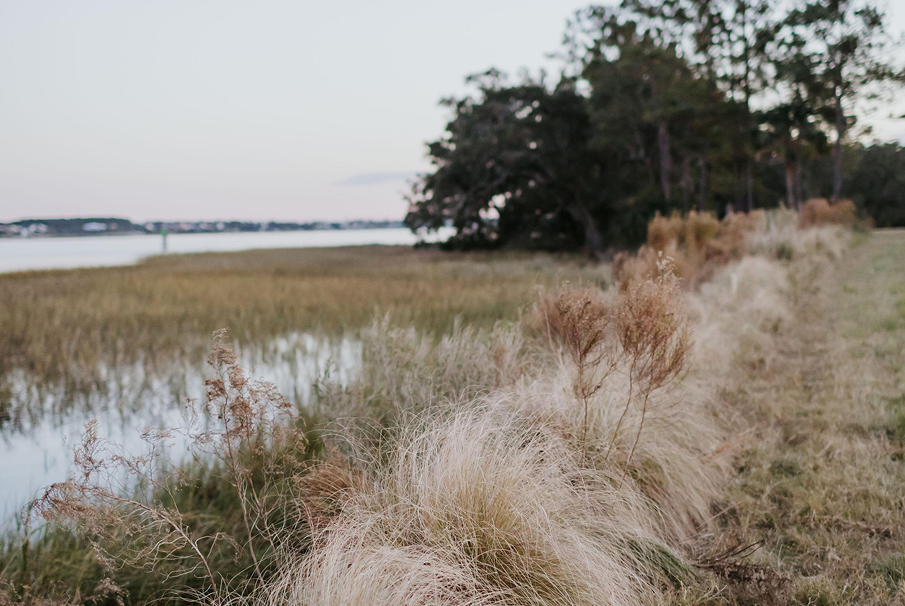
650 acres of the most ecologically sensitive portions of the Point Hope property are placed into a Conservation Easement, ensuring that it will be remain in perpetuity as a professionally-managed Nature Sanctuary. This is the largest Conservation Easement within the City of Charleston.


Vision for the
Community
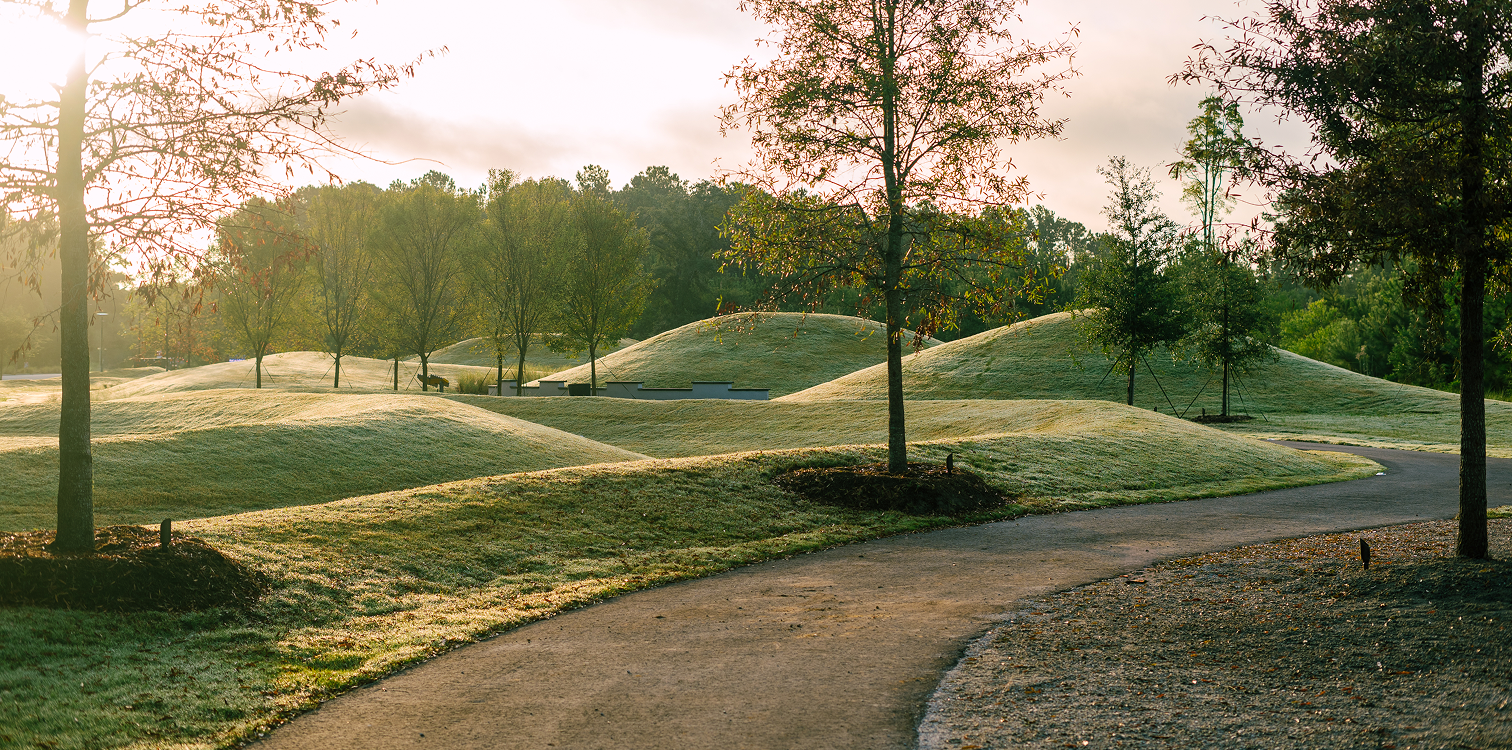
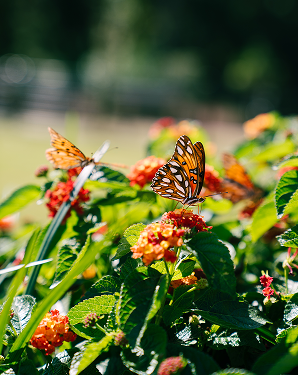
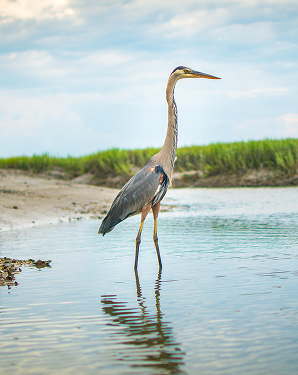
Our vision begins with the land itself. The forests, waterways, and open skies are not backdrops to the community but guiding forces that shape it. Designed as a trails-first community, Point Hope is built around the natural paths and old logging roads that wind through the property, inviting exploration at every turn. Half of the community’s 9,000 acres will remain permanently protected as wetlands, buffers, and natural areas to preserve the scenic South Carolina landscape and Lowcountry character for generations to come. Green spaces remain open for discovery, and everyday life unfolds in harmony with the environment. It’s a place where families can live fully—connected to each other, to the outdoors, and to the enduring beauty of the Cainhoy Peninsula.
What Residents Are Saying
